
Building a budget for your gambling activities
Understanding the Importance of a Gambling Budget
Creating a budget for your gambling activities is not just about tracking expenses; it’s a crucial step towards responsible gambling. A well-structured budget helps you to determine how much you can afford to spend without negatively impacting your financial obligations. It ensures that your gambling remains a form of entertainment rather than a source of stress or financial hardship. For instance, engaging in all bets blackjack can be enjoyable as long as you stick to your limits.
Moreover, having a budget allows you to enjoy your gambling experience without the worry of overspending. It provides a clear framework for your financial limits, which can help you make informed decisions while playing. By understanding your limits, you can engage in gambling activities with peace of mind, enhancing your overall experience.
Setting Up Your Gambling Budget
To establish a gambling budget, begin by evaluating your monthly income and expenses. This assessment will help you understand what portion of your discretionary income can be allocated to gambling. It’s vital to be realistic about your financial situation; overestimating what you can afford can lead to significant challenges down the line.
Once you have a clear view of your finances, set a specific amount that you are comfortable spending on gambling each month. This should be an amount that won’t affect your essential expenses, such as rent, bills, and groceries. Adhering to this budget is paramount, as it ensures that your gambling remains a fun activity rather than a financial burden.
Strategies for Sticking to Your Gambling Budget
Staying within your gambling budget requires discipline and strategies to curb impulse spending. One effective method is to set a timer or limit the duration of your gambling sessions. By establishing time limits, you can better manage your spending and ensure that gambling does not consume more of your resources than intended. 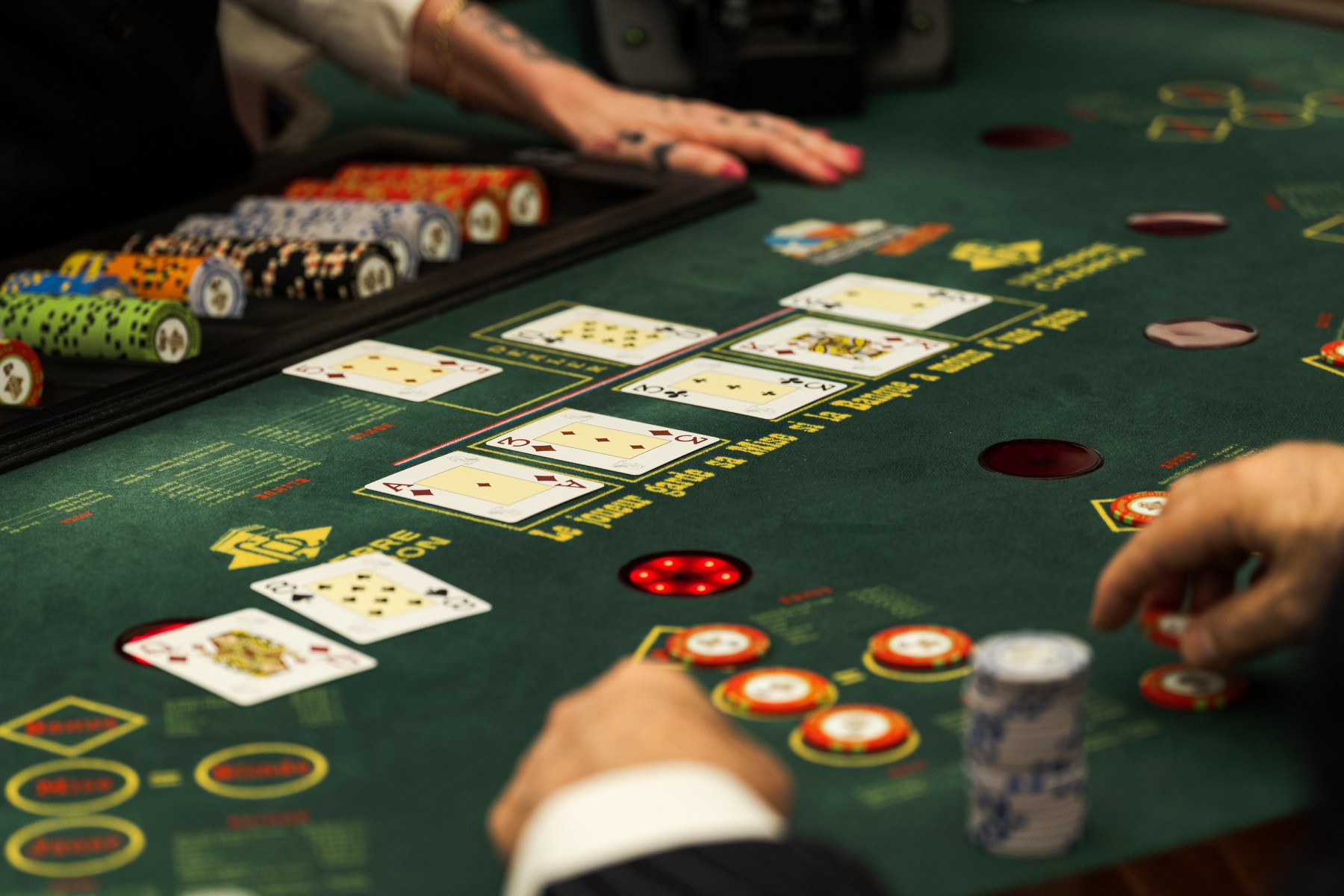
Additionally, consider using cash for your gambling activities rather than credit or debit cards. This tactic not only allows you to physically see the money you are spending but also prevents you from exceeding your predetermined budget. Once the cash is gone, your gambling session should come to an end, reinforcing your commitment to responsible spending.
The Role of Self-Reflection in Budgeting
Regular self-reflection is vital in maintaining a successful gambling budget. At the end of each month, review your gambling activities to see if you adhered to your budget and evaluate the emotional impacts of your gambling. Did you feel enjoyment, or was it stressful? Understanding these feelings can help you make adjustments to your budget or gambling habits if necessary.
Self-reflection also includes recognizing any patterns in your gambling behavior. If you find yourself consistently overspending, it may be time to revisit your budget and possibly reduce your gambling limit. Being honest with yourself about your habits will empower you to make better choices moving forward.

Conclusion and Resources
Building a budget for your gambling activities is an essential aspect of responsible gaming. By understanding your financial situation, setting limits, and reflecting on your habits, you can enhance your gambling experience while safeguarding your financial health. With a solid budget in place, you can enjoy gambling as a form of entertainment rather than a potential source of stress.
For those seeking more information on responsible gambling practices and budgeting strategies, resources are available to help. Utilizing these resources can further ensure that your gambling remains a safe and enjoyable experience, reinforcing the importance of informed decision-making in your gaming journey.